

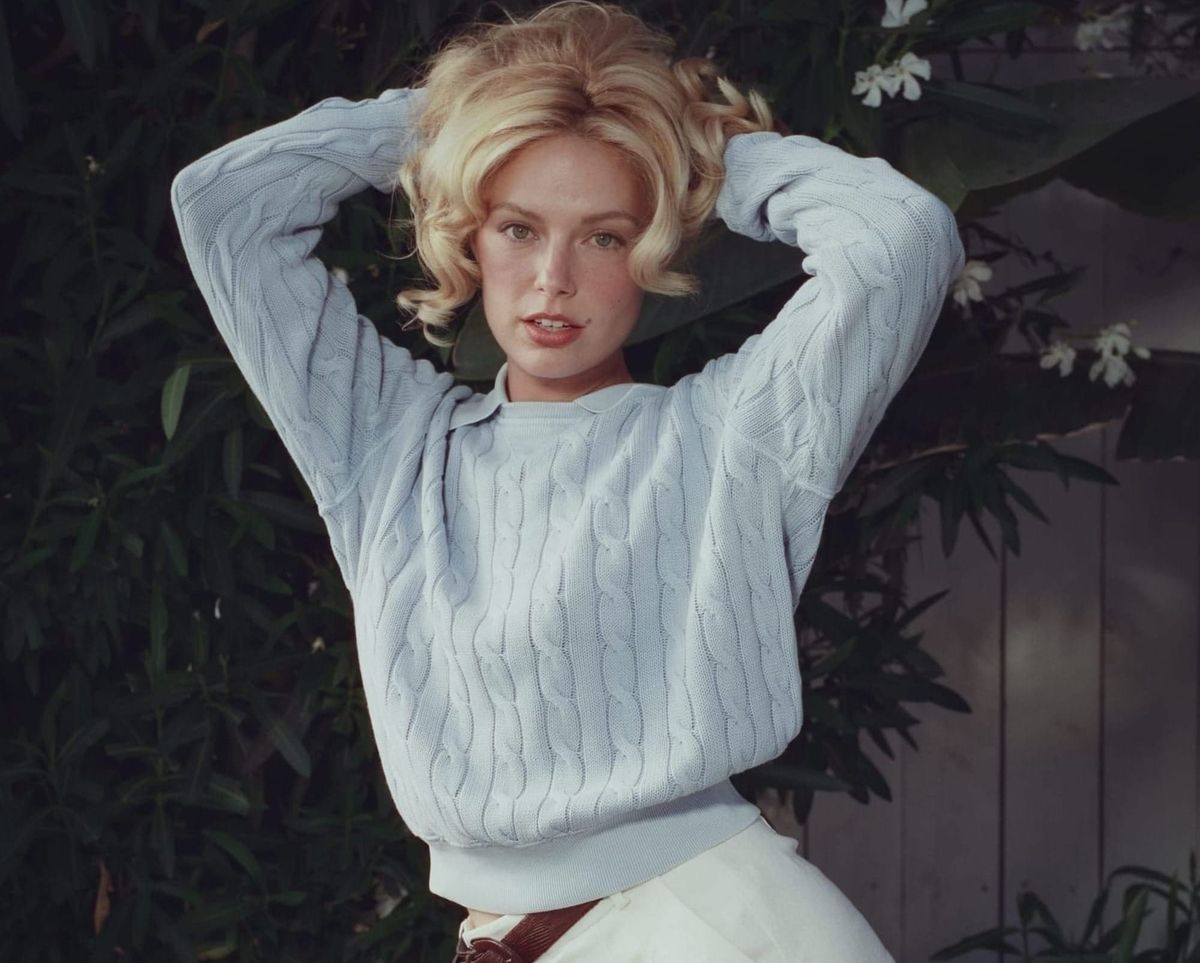
Ashe’s “Stop the Wedding!” has been making waves since its release, with listeners on TikTok and Instagram using the song to share their own stories of leaving relationships and situations they no longer want to be in.
In a typical early-2000s rom-com, the man who’s secretly been yearning for the bride all along bursts through the church doors moments before she says I do, dramatically shouting, “Stop the wedding!”
Cue the tears, the declaration of love and, inevitably, the happy ending.
But it’s 2026 now.
And maybe the person shouting “Stop the wedding!” should be the bride.
Not because she’s having cold feet. Not because she’s dramatic. And certainly not because another man is waiting outside.
Because she’s realised she doesn’t want to get married.
Which brings us to an important question:
Why is calling off a wedding considered more outrageous than marrying someone you don’t want to be with?
Ashe’s “Stop the Wedding!” has already racked up millions of streams since its release, with listeners on TikTok and Instagram using the song to share their own stories of leaving relationships and situations they no longer want to be in.
It’s quickly becoming a soundtrack for romantic liberation.
Ashe herself has described the song as the “older, wiser sister” to Moral of the Story. But where her earlier hit chronicles the aftermath of a relationship gone wrong, Stop the Wedding! confronts the moment before it’s too late, challenging the idea that women must stay in unhappy situations simply because they’ve been taught to.
In an interview with People, Ashe wondered whether the song could help young women realise they aren't trapped in situations that don't feel right.
Judging by the conversations surrounding the song, some listeners seem to wish that message had arrived sooner.
And it’s easy to understand why. Once the invitations are sent, the venue is booked, the catering is paid for and the decorations are ordered, calling off a wedding becomes more than an emotional decision. The financial and social investment can make leaving feel almost impossible.
But Ashe offers a different perspective: It is never too late to say no.
You can walk away from the wrong person, rebuild your life and still find happiness on the other side.
Because leaving doesn’t mean your story is over. Sometimes, it’s where a new one begins.
And Ashe herself isn’t anti-marriage. After leaving her first marriage, she married musician John Clark Canada in October 2025. Stop the Wedding! isn’t an argument against marriage itself. It’s an argument against marrying the wrong person simply because the date is already in the diary.
Even when everything has been planned, you can still change your mind. As Ashe puts it, you can “burn the dress and run away.”
That sense of liberation is reflected in the music itself.
The song’s tempo shifts aren’t just a production flourish. In its final third, the pace accelerates alongside a pulsating drum build, turning the bridge into the musical equivalent of a getaway. The effect is almost cinematic, gathering momentum as Ashe’s narrator decides to run. Suddenly, leaving feels less like a devastating ending and more like the rush of finally getting free.
Ashe also incorporates a vocal slide on the repeated phrase “stop the wedding,” giving the lyrics an intimate, almost conversational quality. It feels less like a command and more like a plea to someone who desperately needs to realise she still has a choice.
That intimacy has resonated with listeners sharing their own experiences alongside the song. What begins as Ashe pleading with one woman to stop her wedding becomes a wider conversation about recognising when it’s time to walk away.
Ashe — “Stop the Wedding!” (Official Music Video)
At first glance, Ashe’s “Stop the Wedding!” might seem like the opposite of RAYE’s “WHERE IS MY HUSBAND!” One encourages women to walk away from marriage, while the other celebrates the desire to find it.
But I’d argue that comparison misses what both songs are actually saying.
RAYE isn’t waiting for just anyone to put a ring on her finger. She’s waiting for the right person to sweep her off her feet. In that sense, the songs echo each other. Neither rejects marriage, but both reject the idea of settling for a version of love that doesn’t feel right.
Maybe that’s the real rebellion at the heart of Stop the Wedding!: not rejecting love, marriage or a happy ending, but refusing to accept one that no longer feels right, even when the venue is booked and the guests are waiting.

Don’t get me wrong. I’m all for empowering women to change their minds and walk away, even after the commitments have been made.
Prioritising your own wellbeing should always come before staying somewhere you no longer feel happy or fulfilled.
But why should women have to wait until their wedding day to give themselves permission to leave?
You don’t need a dramatic event or sudden epiphany to realise someone isn’t right for you.
Sometimes, it’s the little red flags. The small moments of disrespect or dishonesty. The comments that make us feel less than. The constant influx of new women he follows, gradually taking over his feed.
Those seemingly insignificant moments shouldn’t just be warning signs. They should make us question whether the relationship is worth staying in at all.
The question I always like to ask myself is: Would my husband do that?
Would he make me feel that way without trying to understand why or making an effort to repair the damage?
The simple answer is no.
People aren’t perfect, and that’s okay. But someone who truly loves me wouldn’t just try to understand how their actions affect me. They would actively work to change. Love isn’t about getting everything right all the time. It’s about recognising when you’ve hurt someone and caring enough to do better.
I’m sure I’m not the only one who has stayed in a relationship hoping things would change, only to discover they never did. Whether it was delusional optimism, convincing ourselves that someone’s potential was worth waiting for, or simply the fear of being alone, we’ve all found reasons to stay when perhaps we should have been finding reasons to leave.
I also find it interesting that the term runaway bride is so often associated with cold feet, as though nerves simply take over moments before the ceremony.
But Ashe offers a different perspective. Running away isn’t necessarily about nerves or a sudden change of heart. Sometimes, it’s a conscious decision to escape a toxic situation.
Walking away from a wedding becomes a metaphor for leaving something that no longer serves you, even when doing so feels impossible. It’s choosing freedom despite the consequences and recognising that the cost of staying might be far greater.
But shouldn’t walking away before the wedding be just as celebrated?
We should be celebrating the decision not to settle instead of romanticising someone’s potential and waiting for them to become the person we need.
We should encourage women to confront the insecurities, fears and patterns that keep them attached to people who aren't right for them. Maybe that means learning to sit with the discomfort of being alone, recognising the difference between someone’s potential and their reality, or understanding that choosing yourself isn’t a failure.
And perhaps it means saving our money for self-care rituals and solo dates instead of flower arrangements and catering deposits.
It shouldn’t take a wedding dress, a venue full of guests or a dramatic last-minute escape for a woman to feel empowered to choose herself.
Sometimes, the bravest decision isn’t walking away from the altar. It’s recognising, long before you get there, that you deserve better.
Because sometimes the bravest thing a woman can do isn’t walk down the aisle.
It’s stopping halfway through, changing her mind and choosing herself instead.
So maybe we don’t need to wait for the man to burst through the church doors anymore.
Maybe the bride can stop the wedding herself.