

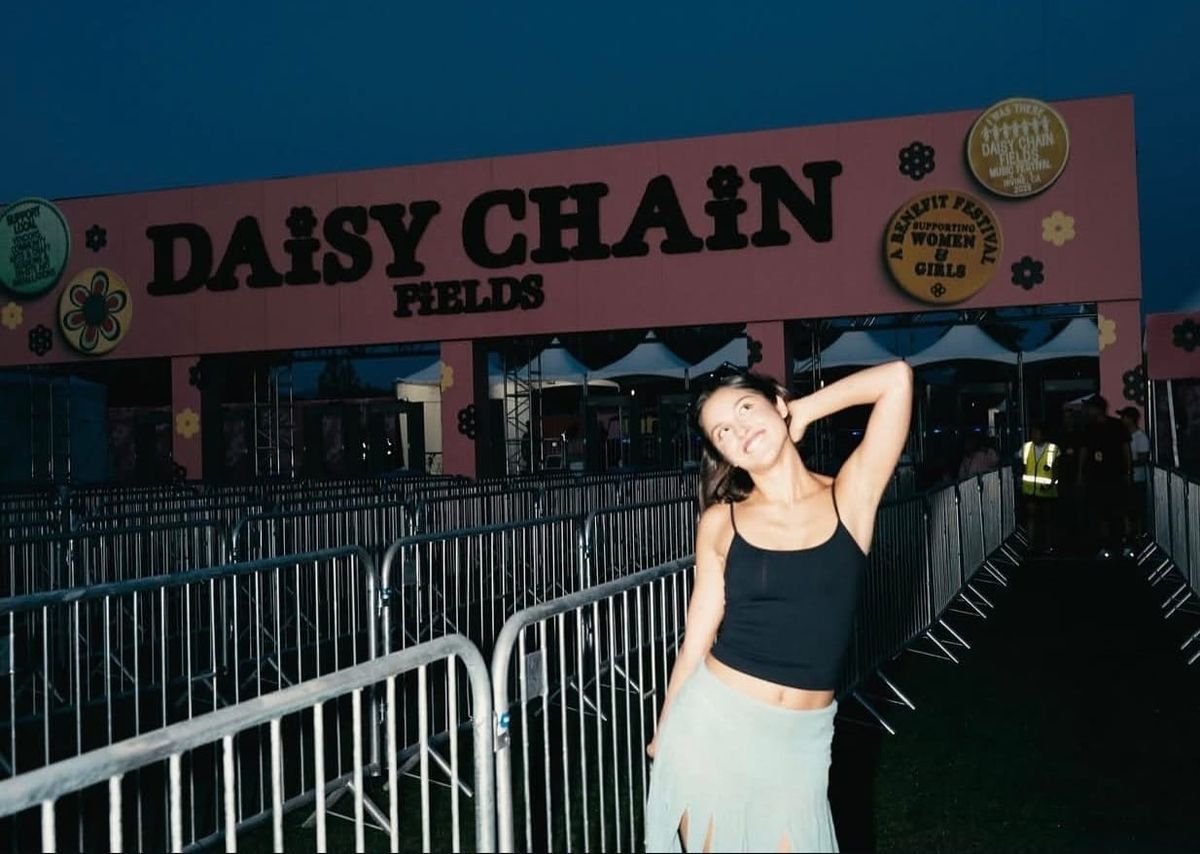
I wasn’t alive during Woodstock, but I’d have to imagine it would be a lot like Daisy Chain Fields — a sea of flower crowns and free-spirited outfits and an overwhelming sense of community.
Olivia Rodrigo put together the all-female music festival Daisy Chain Fields that took place on Aug.29. Though beyond the stage lights and screaming fans, there was something bigger: a message to be told.
Daisy Chain Fields wasn’t a music festival; it was a movement.
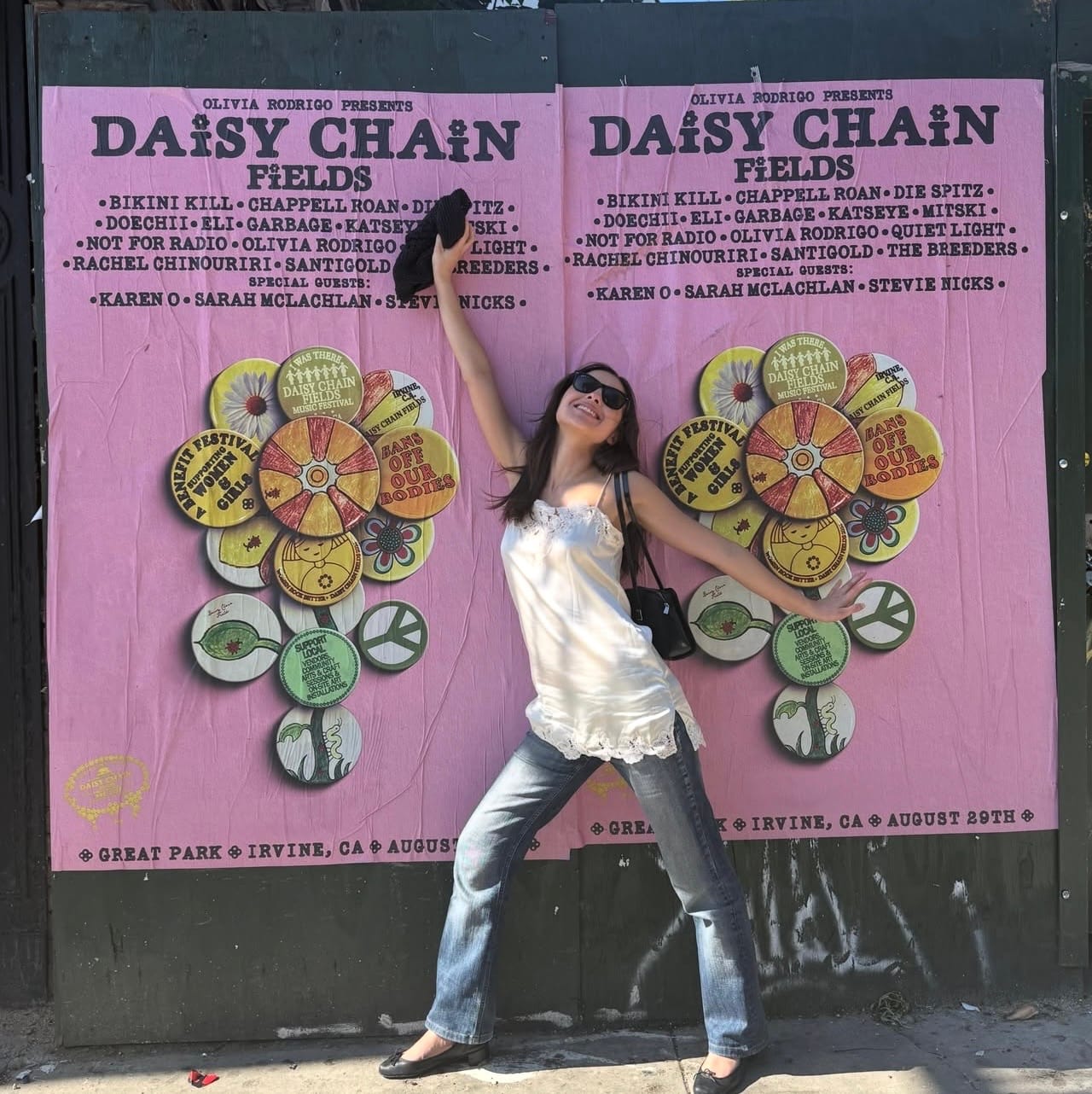
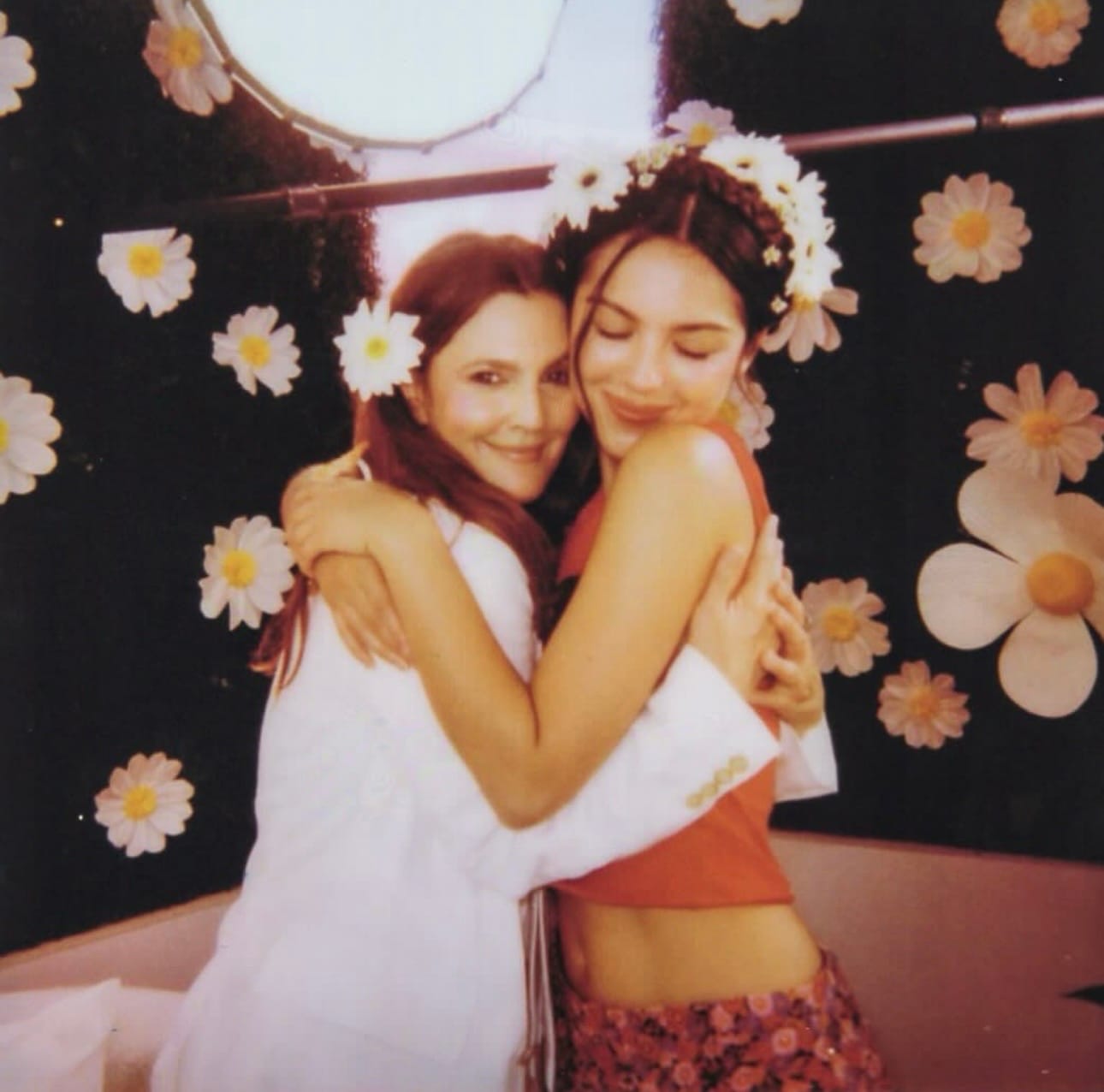
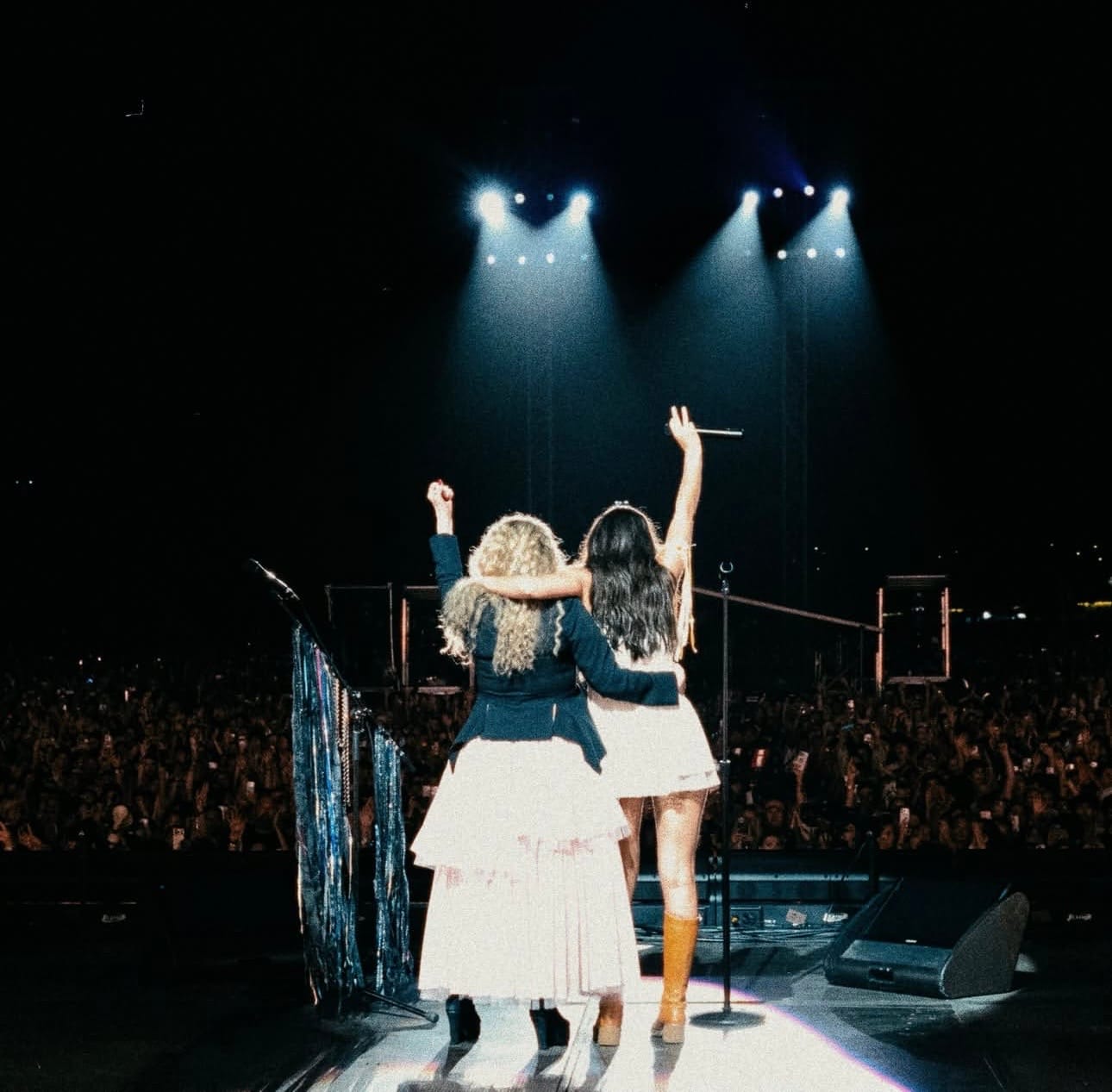
Photos via Olivia Rodrigo/Instagram
Unlike Coachella, Daisy Chain Actually Celebrated Fan Culture, Not Bought It
Daisy Chain was reminiscent of an era when festivals hadn’t yet been commandeered by the influencer epidemic. It’s what music should be: a celebration of community, culture, and peace, not a carefully curated audience whose viewership comes with a hefty price tag.
It was a space for leading female artists and up-and-coming ones alike to showcase their art while performing for an audience that was actually there to listen to the music.
The lineup was stacked, from Chappell Roan and Doechii to Mitski and, of course, Olivia as the headliner. There were even guest appearances from women pioneers in the music industry, such as Stevie Nicks and Alanis Morissette.
It was a celebration of women's artistry at its finest.
Daisy Chain Fields Was So Much More Than Music
In Daisy Chain Fields' mission statement, they stated that the festival was:
"A music festival founded on the belief that joy, community, and creativity can inspire meaningful change."
And that’s exactly what it was.
From immersive activations to spaces designed to drive action, Olivia put thought into every aspect of the festival, creating an event that gave back while inspiring change.
She drew inspiration from Lilith Fair, a 1997 music festival led by Sarah McLachlan that featured an all-female lineup and donated to women's causes. Lilith Fair pushed through the noise of a male-dominated industry and fought for women's rights — and nearly 30 years later, Daisy Chain Fields is doing the same.
All proceeds from the festival went towards nonprofit organizations that advocate for women and girls. Ahead of the festival, Olivia Rodrigo announced that the festival raised $10 million to go toward the partnering organizations fighting for women’s reproductive rights and more. This was then doubled to $20 million by Melinda Gates.
Daisy Chain Fields was a celebration of girlhood on both a micro and macro level. There was something uniquely feminine about seeing an audience of that magnitude dancing and singing in flower crowns, sequins, and lace while their favorite artists performed on a stage supported by organizations fighting for women’s rights.
At the end of Daisy Chain Fields’ mission statement, it reads, “Daisies are wild and beautiful. As a chain, they are strong and unbreakable.”
Women are, too.
Together, as Daisy Chain Fields showed, women can be unbreakable and ignite change. Olivia cultivated a space where they could connect through shared experiences and understanding. It was a pure expression of joy and community.
So, What Can Festivals Learn From Daisy Chain Fields?
Simply put, we need more festivals like Daisy Chain Fields. It was a prime example of how celebrities can use their platforms to inspire change rather than simply generate profit.
But beyond that, it created a space that felt safe and inviting, especially for women.
@thenebellion SEE YOU NEXT YEAR 🌸 #daisychains#daisychainfields#oliviarodrigo#livieshq @Olivia Rodrigo @livies hq 🩷 @valfré @Daisy Chain Fields
♬ drop dead - Olivia Rodrigo
A big deterrent for me when it came to festivals was safety. Between the massive crowds and the unfortunate reality of being a woman in an environment often fueled by alcohol and drugs, festivals seemed daunting, to say the least.
Not Daisy Chain Fields, though.
By offering spaces designed with women in mind and grounding the festival in activism and art, Daisy Chain Fields created a genuine sense of camaraderie. It fostered an inclusive environment that other festivals could learn from.
By turning its focus toward activism and celebrating people of all ages and backgrounds, the festival made people the focal point, not profit. And isn’t that what music festivals are supposed to be at their core? Places to rebel against uniformity and come together through art?
Music festivals should swap some of the exclusive, influencer-only brand activations for spaces where festivalgoers can donate, learn, and actually participate in something meaningful.
Maybe then I’ll actually go to a festival.
Because then, I wouldn’t just be another number contributing to someone’s profit. I’d be part of something much bigger than music, just like Daisy Chain Fields.