

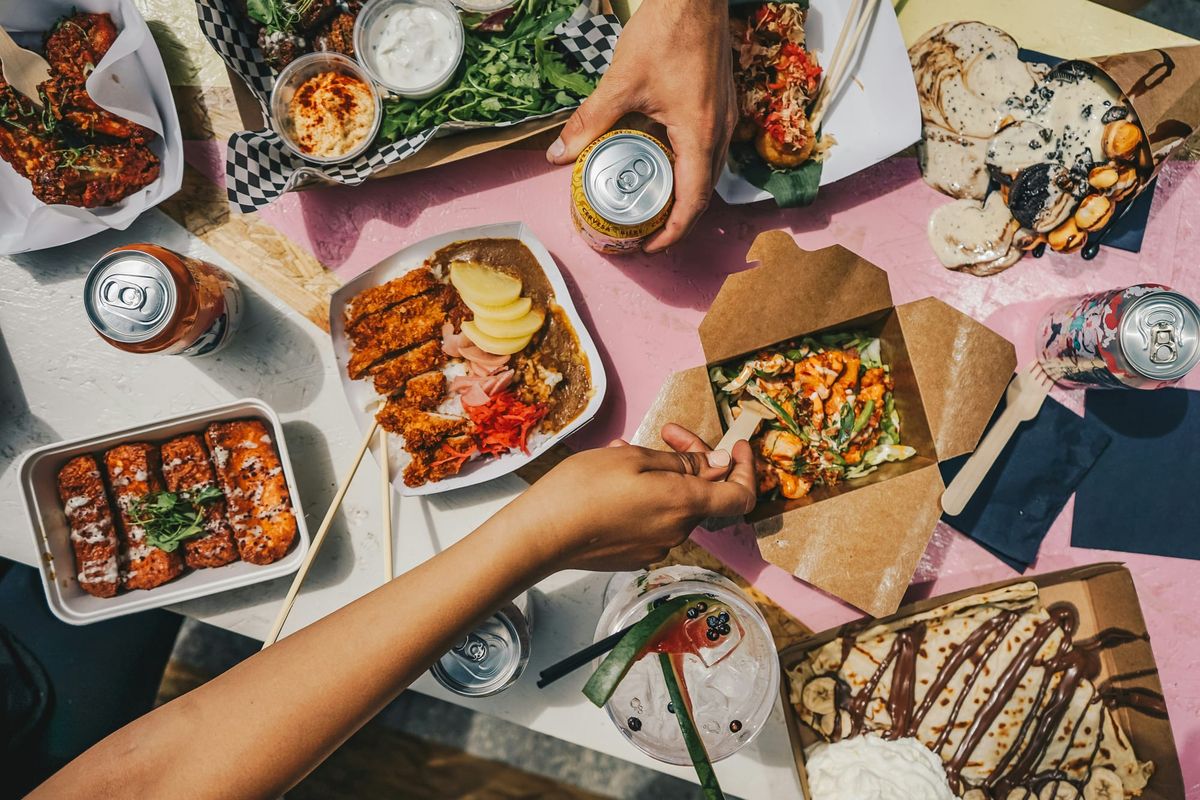
There are few feelings more adult than coming home with a trunk full of groceries. You’ve got your reusable bags, your little receipt, and the quiet satisfaction of knowing you’ve made responsible decisions. Look at you, planning meals! Buying produce! Being the kind of person who has ingredients instead of relying on a delivery driver named Kevin to save the evening.
For a brief moment, you are her.
You are the woman who wakes up early, makes a nutritious breakfast, packs a balanced lunch, and comes home to prepare a beautiful dinner with whatever fresh herbs the recipe calls for. Your kitchen smells like garlic and ambition. Your life is organized. Your credit card is no longer being charged $34 for a burger, fries, and a delivery fee that somehow costs more than the fries themselves.
And then it’s Tuesday at 6:17 p.m., you’re standing in front of your refrigerator, and you order DoorDash.
The groceries are right there. You can see them. The chicken is waiting. The vegetables are waiting. That bag of spinach you bought with such conviction is slowly entering its final chapter in the produce drawer.
But you?
You are waiting for Pad Thai
Welcome to the very specific humiliation of buying groceries and then ordering takeout anyway.
My Grocery Store Self And My Real-Life Self Are Not On Speaking Terms
The problem begins at the grocery store, where I apparently shop for a woman I have never met.
She has hobbies.
She drinks enough water.
She knows what quinoa is and, more importantly, what to do with it.
She buys fresh salmon because she enjoys cooking, Greek yogurt because she enjoys being healthy, and ingredients for a recipe she saved on TikTok three months ago.
She also apparently has unlimited time, energy, and an inexplicable desire to wash dishes.
I don't know who she is, but I would love to meet her.
Because the person who actually lives in my house has a much different relationship with food. She opens the fridge, stares into it for several minutes, and closes it as though the contents might rearrange themselves into a finished meal. She considers cooking a chicken breast, remembers that the chicken breast needs seasoning, and suddenly feels as though she has been assigned a group project.
At the store, I'm convinced that buying the ingredients is practically the same thing as making the meal. I have acquired the necessary supplies. I've invested in the vision. Surely the rest will take care of itself.
This is how I end up with a refrigerator full of potential and absolutely nothing to eat.
Technically, I have plenty to eat. Emotionally, I have nothing.
Apparently, I Shop For The Person I Plan To Become on Monday
Monday is a dangerous day to go grocery shopping.
On Mondays, I believe in fresh starts. I believe this is the week I'll stop eating random snacks over the kitchen counter and start putting actual meals on plates. I'll make breakfast instead of drinking coffee and calling it a personality trait. I'll bring lunch from home. I'll cook dinner before I'm so hungry that the thought of waiting 30 minutes for food feels like a personal attack.
On Monday, I am an optimist. She sees a $7 bag of chia seeds and thinks, "This is an investment in my future."
By Thursday, those chia seeds are still sitting in the pantry, and I'm eating shredded cheese directly from the bag while scrolling through a delivery app.
The aspirational grocery haul is its own form of entertainment. I buy ingredients for the lifestyle I want, not necessarily the lifestyle I have. A lifestyle in which I wake up early enough to make overnight oats. A lifestyle in which I know what to do with a butternut squash. A lifestyle in which buying an entire bunch of cilantro makes sense because I will definitely use it all before it turns into a sad, wet handful of green mush.
And let's talk about the recipes.
Why does every meal I save online require one ingredient that costs $12 and will never be used again? Why does a simple weeknight dinner involve chopping seven vegetables, making a sauce from scratch, and dirtying approximately every dish I own?
The video makes it look so easy. The woman cooking has perfect nails, an immaculate kitchen, and the energy of someone who has never had to make dinner while simultaneously answering 14 questions about where something is.
I see her finished meal and think, I could do that.
Technically, yes. I could. I could also learn Italian, run a marathon, and finally organize the junk drawer.
The question isn't whether I'm capable. The question is whether I want to do any of those things after an entire day of being a person.
Usually, the answer is no.
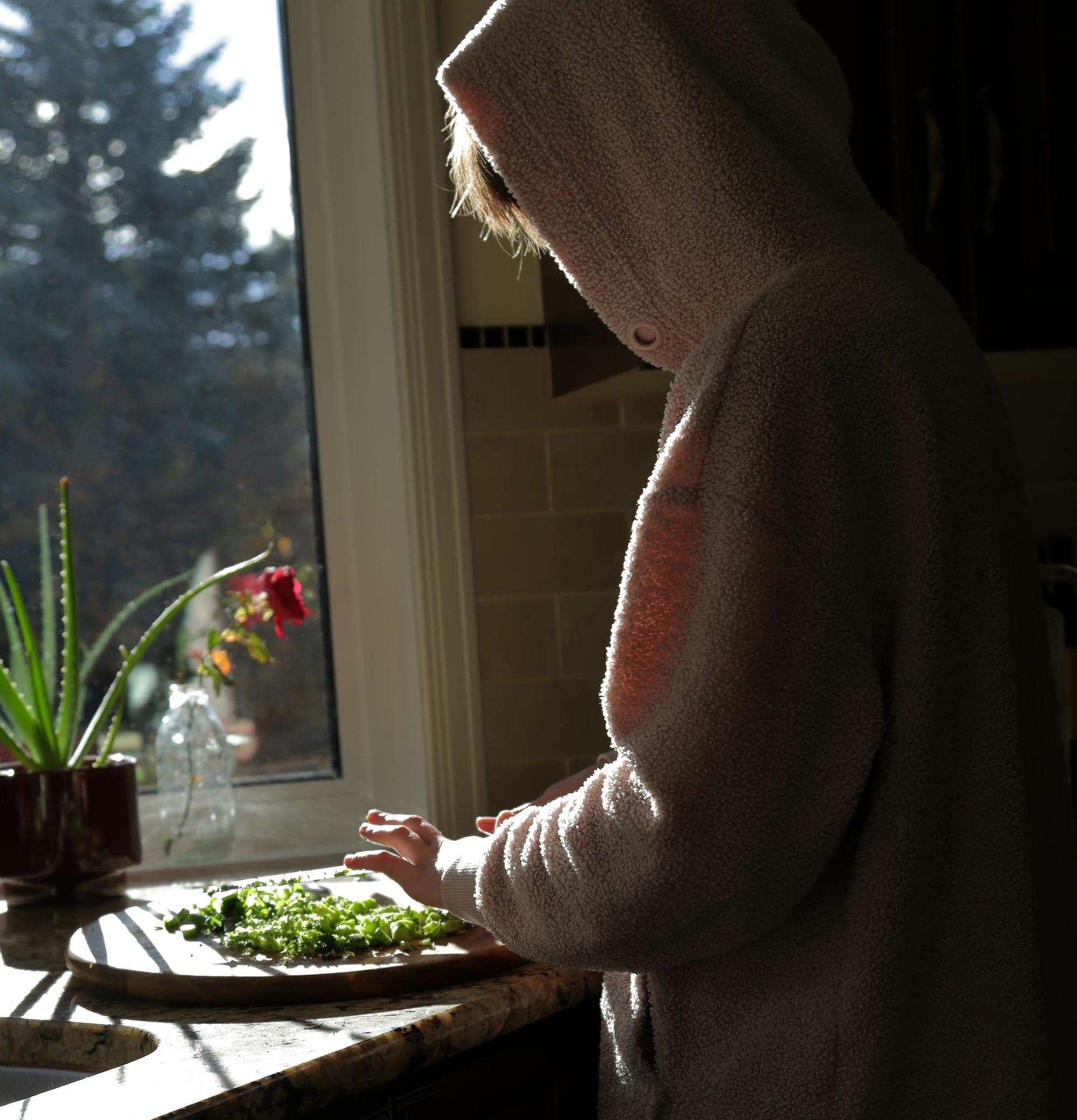
Decision Fatigue Is Real, And Apparently Dinner Is Its Final Boss
By the time dinner rolls around, I've made enough decisions to qualify for a small administrative position.
What am I wearing? What needs to be done today? Did I respond to that message? Where did I put my keys? Why is there an email that requires me to make another decision?
And now the refrigerator wants me to decide what to do with a zucchini.
I don't want to decide what to eat. I don't want to compare recipes, determine whether the chicken has thawed, or figure out which combination of ingredients will produce something I actually want to consume. I want someone to hand me a menu with pictures and let me point at the answer.
This is where DoorDash enters the room like a supportive friend who is absolutely terrible for my financial future.
The app doesn't ask me to be creative. It doesn't ask me to chop anything. It doesn't even ask me to know what I'm doing. It simply presents me with several pictures of delicious food and a button that says I can have it delivered.
That's it. That's the pitch.
Meanwhile, cooking requires me to become a series of increasingly exhausted people. First, I'm the person who prepares the ingredients. Then I'm the person who monitors the stove. Then I'm the person who realizes the rice isn't done. Finally, I'm the person who has to clean everything up.
With takeout, I get to skip directly to being the person who eats.
Honestly, it's a compelling business model.
The Craving Doesn't Care About My Grocery Budget
Here's another problem: groceries are not necessarily what I want to eat.
I can have eggs, bread, cheese, vegetables, chicken, rice, and enough condiments to supply a small restaurant. But if I suddenly want a cheeseburger, none of those things will satisfy me.
I could make a sandwich. I could fry an egg. I could even cook the chicken I bought specifically for this purpose.
But I don't want chicken.
I want a cheeseburger.
This distinction feels important to me, even if my bank account disagrees.
There is something almost insulting about opening a refrigerator full of perfectly good food and feeling absolutely no enthusiasm for any of it. The ingredients are innocent. They've done nothing wrong. And yet, when I look at them, I feel the same excitement I might feel looking at a pile of clean laundry that needs folding.
Food is supposed to be enjoyable, not another task on my to-do list.
And sometimes, I don't want to eat the meal I planned. I want the meal I've been thinking about all afternoon. The noodles. The crispy chicken sandwich. The tacos from that place that puts the little sauce containers in the bag.
The craving has already made its decision. My groceries are simply being asked to accept the outcome.
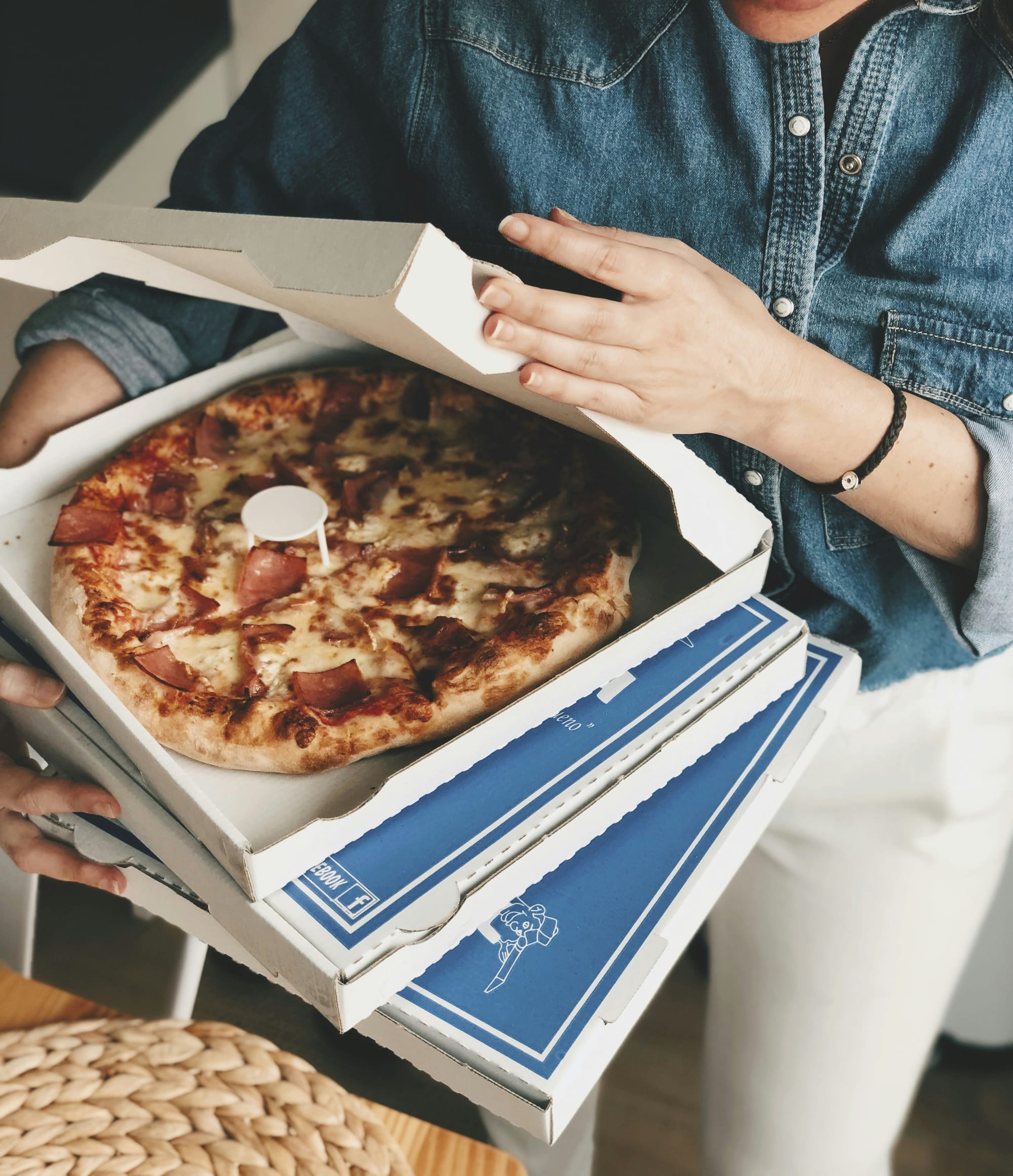
Ordering Takeout Is the Reward For Not Having To Cook
There's also the matter of convenience, which is a wonderful thing until you realize you've started treating it like an emotional support system.
A long day makes takeout feel earned. A stressful day makes it feel necessary. A perfectly ordinary day can also justify it, because why not? We have to eat every single day, which seems excessive when you think about it.
Sometimes, ordering food is less about the food and more about the fantasy of not having to do anything else.
I don't have to prepare the meal. I don't have to hover over the stove. I don't have to wonder whether I've added enough seasoning. I just have to wait for a notification telling me my order has arrived.
For a little while, someone else is responsible for dinner.
And yes, I'm aware that I could achieve a similar result by making a sandwich. Please respect that this is not about sandwiches. This is about the tiny luxury of having one less responsibility, even if that responsibility is something I voluntarily created by purchasing $86 worth of groceries.
Besides, the delivery driver is bringing me exactly what I want, and all I had to do was tap a screen. It's almost impressive how quickly I can turn a minor inconvenience into a transaction.
The fact that this transaction includes a service fee, delivery fee, tip, and a checkout total that makes me briefly reconsider every financial decision I've ever made is beside the point.
At least, that's what I tell myself while tracking my order.
The Produce Drawer Is Starting To Feel Personal
Of course, the consequences eventually catch up with me.
A few days after my grocery trip, I open the refrigerator and discover that my spinach has become a science experiment. The strawberries are softer than I'd like. The herbs have lost their will to live. The chicken is still waiting for its big moment, and the yogurt I bought because I was going to start eating breakfast now feels like an accusation.
I stare at everything and feel a strange combination of guilt and resentment.
I paid for these groceries. I brought them into my home. I gave them shelf space. I believed in them.
And now they're just sitting there, reminding me that I spent money on food and then spent more money on other food because I didn't feel like making the first food.
It's a deeply unserious cycle, and yet somehow, I keep participating.
The worst part is that I'll eventually throw something away and immediately promise myself that next week will be different. Next week, I'll be more intentional. Next week, I'll plan meals I'll actually make. Next week, I won't buy ingredients for a version of myself who apparently has a personal chef and three hours of free time every evening.
And then Monday arrives, and I see a recipe online for a gorgeous bowl of roasted vegetables.
Suddenly, I'm back.
Maybe The Groceries Were Never The Problem
I've come to suspect that my grocery shopping and my DoorDash habit are not actually in competition.
They're serving two entirely different versions of me.
The groceries belong to the woman I hope to be. She is organized, well-rested, and capable of turning a collection of ingredients into a meal without requiring a motivational speech.
The takeout belongs to the woman I actually am at 7 p.m. on a Wednesday. She has done enough for one day. She doesn't want to julienne anything. She would like to eat something delicious without creating a sink full of dishes in the process.
Both women deserve to eat. Unfortunately, only one of them is currently in charge of my credit card.
Maybe that's why the cycle is so difficult to break. Buying groceries feels like making a plan for a better week, while ordering takeout feels like responding to the week I'm actually having. One is optimistic. The other is hungry.
And hunger, as it turns out, is a very persuasive negotiator.
So, yes, I will probably continue buying groceries with the best intentions. I will continue convincing myself that this is the week I'll finally use every ingredient before it expires. I'll continue saving recipes that look delicious and require a suspicious number of small bowls.
And I will probably continue ordering DoorDash when the day gets away from me and cooking feels like one task too many.
At least now I understand the real problem: I don't need more groceries. I need the person who bought them to show up when it's time to cook.
Until then, I'll be here, standing in front of a perfectly stocked refrigerator, waiting for my delivery notification.
Dinner is on the way. The zucchini will understand.