

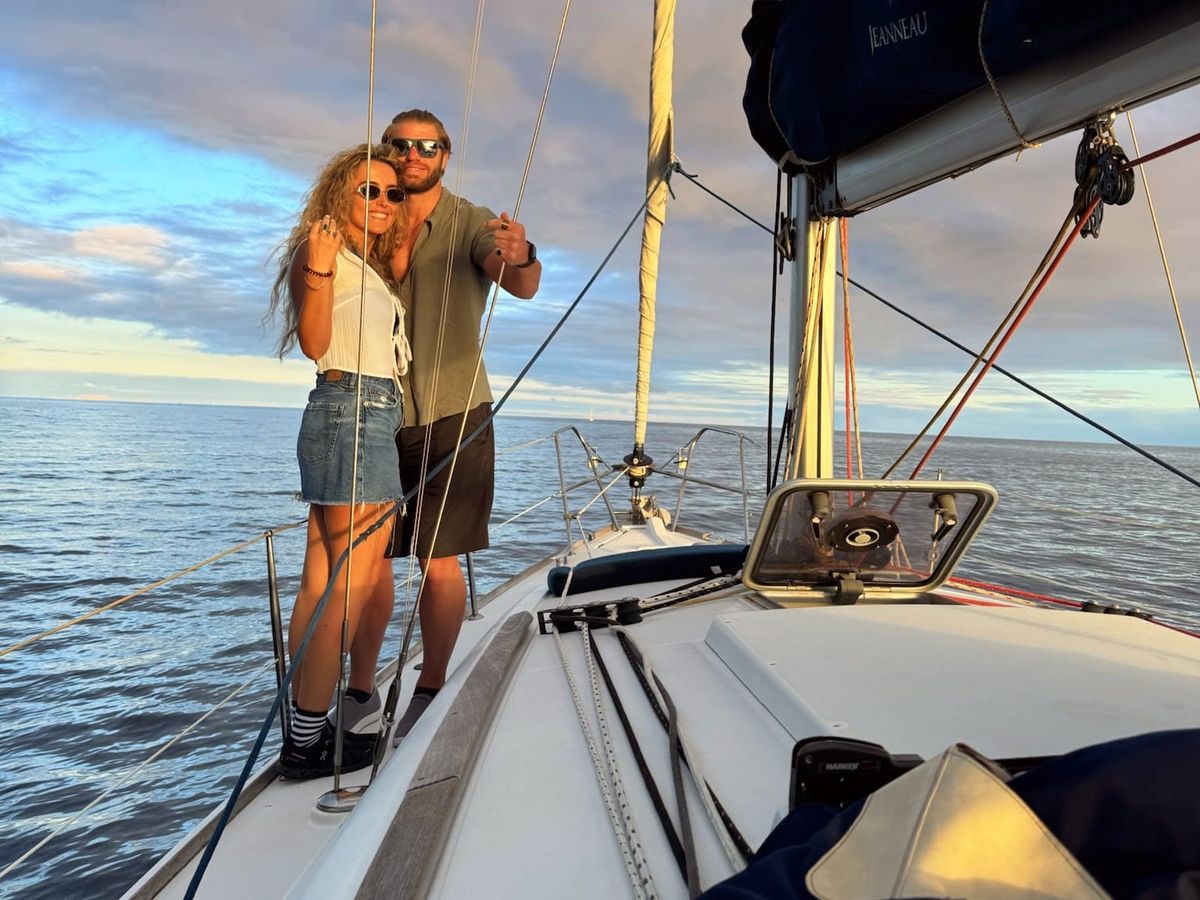
Six dates into dating my current boyfriend, I went to Mexico with him.
Not six months, six dates.
We had been seeing each other for a little more than a month with a solid track record of one date per week, plus gym interactions. In short, we didn’t know each other at all. I knew enough to know that I really (really) liked him, but I did not yet know how he behaved in an airport, how he acted when he was hungry or sleep-deprived, or if he, like me, considered arriving at the gate five minutes before boarding “perfect timing.”
As a travel writer who takes more than 70 flights a year, I am comfortable with jet lag, foreign currencies, strange beds, and traveling with people I barely know. I have even used weekend trips to test new friendships. Some survived. Others did not. However, I had never applied that same logic to dating. Traveling with a potential partner seemed scarier, more intimate, more intense, and much harder to escape if things didn’t work out.
But when he invited me to join him on a work trip to Mexico, I didn’t think twice. Maybe because I felt like he could be the one, or maybe because it was January and I hadn’t been to the beach in months. Suddenly, our slow-moving courtship went from dinner once a week to international travel with no transitional stage in between.
I had never even spent the night with him.
It wasn’t merely our first trip together, either. I was going as his plus-one, which meant meeting his entire workforce, as well as his brother and sister-in-law, and I didn’t even know if he snored.
I didn’t ease into the relationship. I dove into the deep end with a margarita in my hand.
Vacationing Together Is Dating on Fast-Forward
When you date someone once a week, you experience them in carefully edited increments. Both of you have time to shower, choose an outfit, and become the charming versions of yourselves who ask follow-up questions. Travel removes the editing process.
You see each other tired, hungry, lost, and overstimulated. There may not even be a bathroom door with adequate soundproofing. You learn how someone handles money, plans, stress, delays, strangers, alcohol, and sleep.
On our trip, I was not only learning how my boyfriend traveled. I was watching him move through his professional life and family relationships, two parts of him I had never encountered while sitting across from him at dinner or staring at him while he worked out at the gym. At the same time, he was watching me interact with the people whose opinions mattered to him.
So, Was One Month Too Soon?
On paper, absolutely.
If a friend told me she was leaving the country with a man she had met six times, I would demand she share her location and send me hourly safety updates.
But “too soon” is not really a number. Three weeks may be reckless with someone evasive and controlling but feel completely natural with someone consistent, communicative, and respectful.
The better question is whether the trip requires you to ignore information you do not have yet.
Before traveling with someone new, you should know enough to feel confident that they respect your boundaries. You should be able to disagree with them without feeling afraid. You should have your own money, access to your travel documents, and a realistic way to leave if the situation becomes uncomfortable.
Romance is lovely.
A return ticket in your own name is lovelier.
Because the trip belonged primarily to his world, we talked about it beforehand. He told me he never wanted me to feel uncomfortable and that all I had to do was give him the sign and we could leave any situation. He made it clear that he wanted to spend time with me and that if there was anything specific I wanted to do, we would do it.
Your First Trip is Not an Audition
Traveling early can get tricky. You may become so focused on seeming agreeable that you stop noticing whether you are actually comfortable. You say yes to every plan. You swallow minor irritations. You avoid asking for alone time because you do not want to appear high-maintenance.
Do not be afraid to take care of yourself. Needing an hour alone does not make you difficult. Declining another drink does not make you boring, and heading to bed early does not ruin the trip. A compatible partner needs to meet the real version of you eventually, so you might as well introduce her beachfront at a resort.

Travel Will Not Tell You Everything
I didn’t learn everything on our first trip, or even on our second trip to Indonesia and Singapore two months later. I expected both to be “make-it-or-break-it” experiences where we would figure out exactly how we felt about each other and either fall in love or never speak again.
Neither happened. Instead, I got insight into our compatibility.
People often describe traveling together as a relationship test. I do not love that framing because it makes the trip sound like a romantic final exam. You can have a stressful vacation with someone you love, just as you can have an amazing weekend with someone who will later ruin your life.
But travel can reveal clues about someone.
Pay attention to how your partner behaves when something goes wrong. Do they blame you for circumstances neither of you controls? Do they treat hotel employees, servers, and drivers with respect? Can they adapt when plans change? Do they make room for your preferences, or assume you will follow their itinerary?
I found out clearly and quickly how relaxed, adaptable, respectful, and calm my boyfriend is, even when plans change and sleep is scarce.
Also pay attention to yourself. Do you feel safe speaking honestly? Can you relax around them? Are you enjoying the trip, or managing their mood for the duration of it?
Go Early if You Want, But Don’t Go Blindly
I do not regret going to Mexico after a month. Two years later, we are happily living together and have traveled to 14 countries together. That Mexico trip will always have a sweet spot in my heart as the place where we got to know each other a little better.
That does not mean every new couple should book an international trip after six dates. Google their name, share your itinerary and location, keep control of your money and documents, and trust your instincts.
There is no universally correct timeline. The dividing line is not between one month and six months. It is between taking an emotional risk and taking an unsafe one.
Sometimes the deep end tells you whether you can swim together. Just keep your passport where you can reach it.