
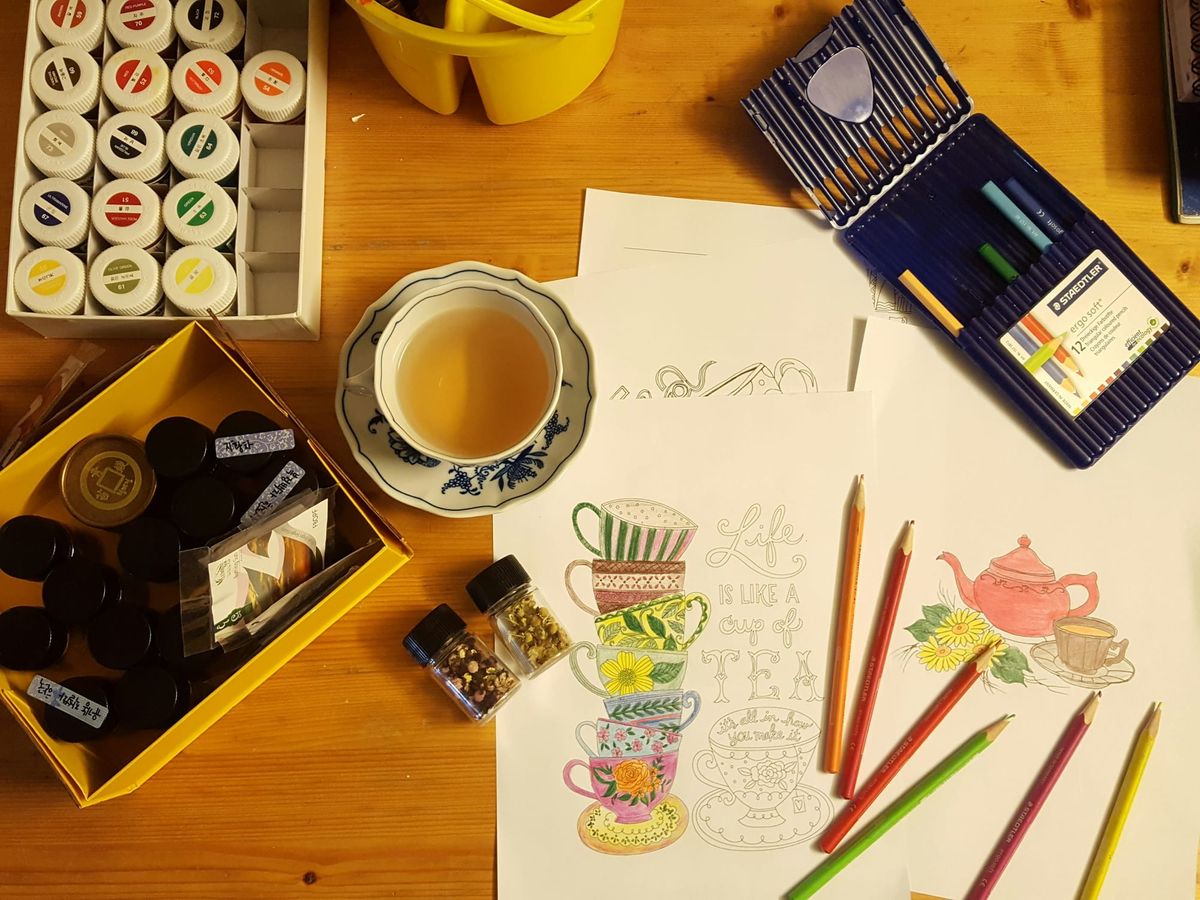
Saturday afternoons used to be relaxing. Sleep in, take a workout class, head to a pottery session, book a sushi-making class, or really get into your gardening; no side Instagram account dedicated to it or a content strategy.
Just the art of enjoying yourself.
Now, I'm not so sure that's allowed.
Somewhere between the rise of the side hustle, the creator economy, and social media convincing us that everyone has a hidden entrepreneurial calling, we've developed a habit of looking at everything we enjoy and wondering how we can make money from it. You bake a really good cake? You should sell them. Are you good at taking pictures? Start a photography business. You love putting outfits together? Have you considered becoming an influencer?
Apparently, being good at something isn't enough anymore. It needs to be profitable, too.
And while I'm absolutely supportive of anyone who turns a passion into a successful business, I'm starting to think we've lost the plot a little. Not every interest needs to become a source of income. Not every hobby needs an audience. And not every free afternoon needs to be spent building something that might eventually pay for itself.
Can we bring back doing things just because we like them?
When Did Every Hobby Become a Business Opportunity?
With the rise of social media, it’s nearly impossible to scroll Instagram or TikTok for a minute without seeing a creator talk about how their casual interest blew up into a monetary business. From taking us along on thrifting trips to painting Jenga blocks to watching someone do a “Weekend Reset” cleaning video, these entrepreneurs can sell starter kits, branded cooking equipment, or online courses on how to cook the perfect holiday cookie.
Listen, I’m genuinely happy for those who seem to make their passions successful, but now everything is a missed opportunity. An algorithm is more than happy to remind us that there is more money to be made if we just start documenting everything we do, every moment of every day.
The language itself has become the script: personal brands, passion projects, entrepreneurial journeys. There is no joy in making your own jewelry; now you’re designing a brand. Shopping for vintage clothes has now ruined the cost of thrifting, with everything being snatched and sold at a higher price.
At some point, we stopped asking what we enjoy doing and started asking what we could do with it.
Your Free Time Is Not Another Workday
I understand why the side-hustle culture is appealing.
Everything is expensive.
Groceries are expensive, rent is expensive, and a casual dinner somehow costs the same as a weekend getaway. Having an extra source of income can make a real difference, and for many people, a side hustle isn't some cute creative experiment.
It's how they make ends meet.
But there's a difference between needing extra income and feeling like you should monetize every spare moment of your existence.
We're already spending most of our waking hours working, answering emails, managing schedules, and trying to keep up with the general administrative nightmare of being an adult.
Do we really need to turn Sunday afternoon into another opportunity to optimize ourselves?
The pressure to be productive doesn’t end when the workday does. How are you leveling yourself up if you aren’t building a business or creating content that won’t improve your financial future? The question becomes: how do you relax the right way?
On top of working 40 hours a week, we are expected to have a full skincare routine, a booked social calendar, enriching love lives, 60 minutes of daily fitness, call our parents, journal, take supplements, and get hours of sleep so we can wake up the next day and do it all over again.
Not Everything You Love Needs To Be Monetized
One of the best things about having a hobby is that it belongs entirely to you. You can be good at it, terrible at it, inconsistent with it, or completely obsessed with it for three weeks before moving on to something else. You don't have to worry about whether people like it, whether it's growing, or whether you're getting a return on your investment.
The second you start selling something, that relationship can change.
Suddenly, the thing you used to do because it made you happy comes with deadlines, customer expectations, pricing decisions, inventory, and the occasional person asking why their order hasn't shipped. Your relaxing little baking hobby now has a customer service department.
Congratulations, you're back at work.
What we miss is the stunning finished product: the perfectly packaged order in the home studio. We don’t see the multiple takes of narration, the copy, or the repeated posing to get the right angles of how the clothes fit. Now the once-relaxing hobby has bookkeeping, taxes, and paying the bills. For some people, that's a trade they're happy to make; for others, it would completely ruin the thing they loved in the first place.
The Algorithm Is Making Us Feel Like We're Behind
I think one of the sneakiest things about social media is how easily it turns someone else's success into our own perceived failure.
You open Instagram to look at vacation pictures and end up watching someone explain how she made $12,000 in one month selling digital planners. You go on TikTok to find a new dinner recipe and somehow wind up with a tutorial on building a personal brand around your cooking. You watch someone restore a vintage dresser, and before you know it, you're being told how to turn furniture flipping into a profitable business.
It's a lot.
The problem isn't that these people are successful. It's that we're constantly being shown the most monetizable version of everyone's life. We see the person who turned their hobby into a career, but not the thousands of people who simply enjoy doing the same thing without wanting to make a dime.
Now that clicks can be shared and sold, it’s starting to feel a little overwhelming, and to make your interest more official than others who share the same love of the hobby, we curate a competition that suddenly pits us against each other for a following.
You Don't Have to Be Good Enough To Sell It
Another thing I miss is being a beginner without feeling like I need to turn the experience into something.
Remember when you could try something new and be genuinely terrible at it?
You could take a painting class, make something that looked vaguely like a landscape after a natural disaster, and still have a wonderful afternoon. You could learn to roller skate, fall a few times, and feel accomplished simply because you made it around the rink without grabbing the wall. You could take a French lesson and spend the next week confidently mispronouncing everything you learned.
What if you don't?
What if you take the pottery class and never make another ceramic bowl? What if you learn how to make homemade pasta and only do it twice a year? What if you spend an entire summer learning to play tennis and decide you're actually more of a pickleball person?
None of that has to be a failure. You tried something, enjoyed yourself, and moved on.
That's allowed.
Not every interest needs to become a skill you can market. Sometimes it's enough to be a person who knows how to make a slightly lopsided bowl.
Let's Stop Treating Every Interest Like Untapped Potential
I think we've become so accustomed to measuring our lives by what we accomplish that we've forgotten how nice it is to have something without an agenda.
You can take a cooking class without opening a restaurant. You can get really into gardening without selling your tomatoes at the farmers market. You can learn how to make elaborate cocktails without becoming a bartender or launching a canned margarita brand. You can spend hundreds of dollars on art supplies and produce absolutely nothing that anyone would want to hang on a wall.
And honestly, I think that's kind of wonderful.
Something is refreshing about having an interest you don't need to explain to anyone. It doesn't have to make you more interesting, more accomplished, more employable, or more financially secure. It can just be something you do because you like doing it. Not because you're building a following, not because you're hoping to sell something eventually, and not because someone on the internet told you that you're sitting on a business opportunity.
So by all means, start the bakery if you want to start the bakery. Sell the paintings. Teach the classes. Build the brand. Make the money. There's nothing wrong with turning something you love into a career if that's genuinely what you want.
But if you'd rather keep your hobby entirely to yourself, that's a perfectly good option, too.
You don't have to scale it, brand it, monetize it, or figure out how to make it go viral. You can just be a woman with a hobby. You can spend your Saturday afternoon doing something you're not particularly good at, produce absolutely nothing of value to the marketplace, and still consider it a very successful day.
Not everything you love needs to become a side hustle. Some things can just be yours. And frankly, that's more than enough.